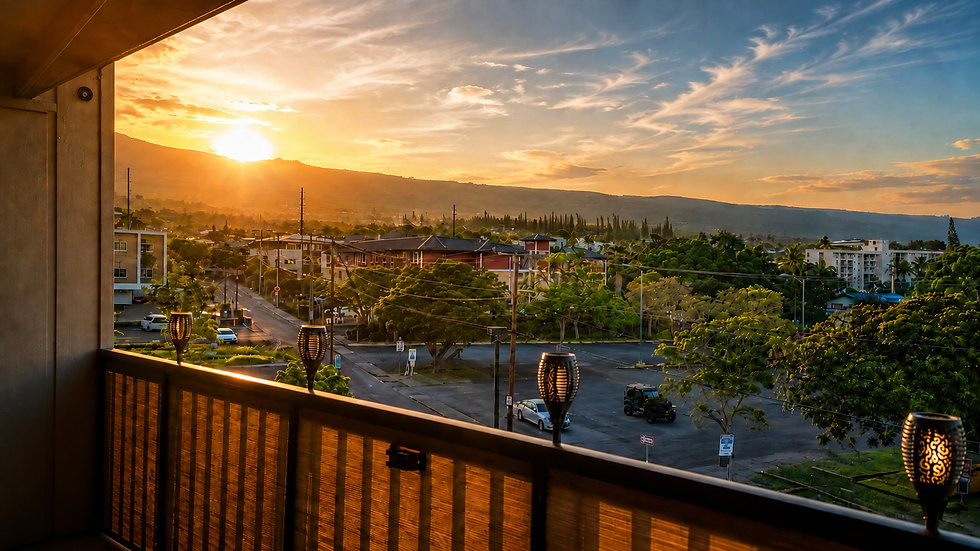
Best Time to Visit Kona: Weather, Crowds & Events by Season

There really isn’t a bad time to visit Kona. Kailua-Kona stays warm throughout the year, and its location on the leeward side of Hawaiʻi Island generally means sunnier, drier conditions than many windward areas. The best time to visit Kona depends less on finding one “perfect” month and more on what you want from your trip: whale watching, quieter streets, family travel, or one of Kona’s signature events.
If you want the simplest answer, April and May, and then September through early November outside major event weeks, often offer an appealing balance of warm weather and fewer peak-holiday crowds. Winter is excellent for escaping colder weather and watching for humpback whales, while summer works well for families and travelers who enjoy long, warm days.

When is the Best Time to Visit Kona by Season? The Quick Answer:
Best overall balance: April–May and September–early November
Best for whale watching: December–March
Best for families and school vacations: June–August
Best for somewhat lighter crowds: Much of April, May, September, and early November
Best for major events: June, October, and November
These are useful planning guidelines, not guarantees. Holiday weeks, school breaks, major competitions, and local festivals can quickly change lodging demand, traffic, and restaurant availability.
Kona Weather at a Glance
Kona’s warm, sunny reputation is well deserved. The town sits on Hawaiʻi Island’s western, leeward coast, where conditions are generally drier than on the island’s eastern side. That makes Kailua-Kona a dependable home base for beach days, waterfront walks, outdoor dining, and sunset watching throughout the year.
Hawaiʻi Island also has dramatic microclimates. It can be sunny near the coast, cloudy in the uplands, and rainy on another part of the island at the same time. Higher elevations, especially on coffee-farm visits, mountain drives, and trips toward Hawaiʻi Volcanoes National Park, can feel considerably cooler than the Kona shoreline. Pack a light layer for day trips even when the forecast at your condo looks tropical.
Brief showers can happen in any season, and ocean conditions can change from one day to the next. Check the daily forecast and current beach conditions instead of relying only on the season.
Winter: December Through March
Winter is one of Kona’s most popular seasons. Visitors escaping cold mainland weather arrive for warm afternoons, ocean views, and holiday vacations. December and early January can be especially busy, and demand may rise again around school breaks later in the season.
This is also the prime period for spotting humpback whales in Hawaiian waters. A whale-watching trip can be a highlight, but you may also see activity from shore when conditions and luck cooperate. Book reputable tours in advance and keep a respectful distance from marine wildlife.
Winter is a strong choice if:
You want a warm-weather escape
Whale watching is a priority
You enjoy a lively atmosphere
You are comfortable reserving lodging, tours, and popular restaurants early
The tradeoff is that peak winter dates can bring higher prices and fuller parking lots. If your schedule is flexible, late January, February, or early March may feel easier than Christmas and New Year’s week, although demand still varies.
Spring: April and May
For many travelers, spring is one of the best times to visit Kona. After the busiest winter and spring-break periods pass, the town can feel more relaxed while the weather remains warm and inviting.
April and May are excellent for travelers who want a mix of beach time, local dining, cultural stops, and day trips without planning every hour around peak-season demand. Restaurant reservations and tours may be easier to arrange, although popular experiences should still be booked ahead.
Spring is a strong choice if:
You value a quieter, more flexible trip
You want warm weather without the winter holiday rush
You plan to combine Kona days with island road trips
You are traveling as a couple or outside the school calendar
Holiday weekends and individual events can still create busy pockets, so check the local calendar before finalizing dates.
Summer: June Through August
Summer brings long, warm days and a lively family-travel season. It is a natural choice for visitors working around school schedules, and the extra daylight is useful for exploring beaches, historic sites, and the wider island.
June also brings King Kamehameha Day celebrations and related cultural events in Hawaiʻi. Exact programs and dates can vary, so check the official schedule for parades and ceremonies during your visit.
Midday sun can feel intense. Plan walks and active excursions for the morning, take a slower break during the hottest part of the day, and return to the waterfront for late-afternoon light and sunset.
Summer is a strong choice if:
You are traveling with children or on a school calendar
You want plenty of daylight for exploring
You enjoy a lively vacation atmosphere
You do not mind planning around summer demand
Fall: September Through November
Fall offers two very different Kona experiences. September can feel warm and relatively relaxed after the main summer vacation period. October and November bring some of the area’s best-known events, which can make particular weeks exciting, and exceptionally busy.
The IRONMAN World Championship draws athletes and visitors to Kona and can affect traffic, road access, dining, and lodging availability. If attending the event is your goal, book far in advance. If it is not, check the race dates before choosing an October stay.
November is associated with the Kona Coffee Cultural Festival, a celebration of the region’s coffee heritage. Festival schedules vary from year to year, but visitors can expect opportunities to learn about Kona coffee, meet producers, and enjoy community events. Thanksgiving week can create another rise in visitor demand.
Fall is a strong choice if:
You want warm weather after the summer rush
You are interested in Kona’s signature events
You are willing to plan carefully around event dates
You want a mix of beach time, culture, and coffee-country visits
Kona Events Worth Planning Around
Kona’s events can make a trip memorable, but they can also change the rhythm of the town. Three periods deserve special attention:
King Kamehameha Celebrations
June celebrations honor Kamehameha I and Hawaiian history through ceremonies, cultural programs, and in some years and locations, parades. Check the official King Kamehameha Celebration Commission calendar for current details.
IRONMAN World Championship
The championship is one of Kona’s most visible annual events. The atmosphere is electric, but lodging fills early and temporary road impacts are part of the experience. Confirm the current race schedule before booking October dates.
Kona Coffee Cultural Festival
Usually held in November, this long-running festival celebrates Kona’s coffee farmers, history, and community. It is a natural fit for visitors who want more than a quick farm tour. Review the festival’s current program because activities, venues, and dates change.
The Best Time for Beaches and Snorkeling
Kona offers beach and snorkeling opportunities year-round, but no month guarantees perfect water. Conditions depend on swell, wind, currents, and the specific shoreline. A calm bay may be comfortable while another nearby spot is rough.
Mornings are often a practical time to plan ocean activities, before afternoon winds or clouds develop, but always follow current conditions. Choose lifeguarded areas when possible, use reef-safe sun protection, and never enter unfamiliar water simply because it looked calm in a photo.
If snorkeling is central to your trip, leave room in the itinerary to move an ocean day when conditions are unfavorable. A flexible plan is more useful than choosing a season based on a promise the ocean cannot make.
When Are Kona’s Crowds and Prices Lower?
The busiest and most expensive periods often include Christmas and New Year’s, portions of winter, spring break, summer school vacations, Thanksgiving, and major event weeks. Exact patterns change, and airfare can influence the total trip cost as much as lodging.
For a better chance at lighter crowds, consider April after spring break, May, September, or early November outside major events. Traveling midweek can also make restaurant reservations, tours, and flights easier to manage.
Whenever you visit, book the experiences that matter most first. Leave the rest of your itinerary open enough to respond to weather, ocean conditions, and the simple pleasure of finding a favorite place along Aliʻi Drive.
Choose Your Kona Season by Travel Style
Choose winter for whale watching, a warm escape, and an energetic vacation atmosphere.
Choose spring for a balanced trip with warm weather and a better chance of lighter crowds.
Choose summer for family schedules, long days, and a lively island visit.
Choose fall for warm shoulder-season travel, the IRONMAN atmosphere, or Kona coffee events—depending on your dates.
No matter the season, the best trip comes from matching your dates to your priorities and checking current event and weather information before you arrive.
Make Kona Vista Paradise Your Home Base
Staying in walkable downtown Kailua-Kona makes it easy to enjoy the destination in every season. From Kona Vista Paradise, a convenient pedestrian shortcut brings you to Aliʻi Drive in about a minute. Mokuʻaikaua Church is directly next door, Huliheʻe Palace is across the street, and the waterfront, nearby beach access, restaurants, shopping, and Kona Farmers Market are all close enough to explore on foot.
After a beach morning, coffee-country drive, cultural event, or island day trip, return to a spacious three-bedroom penthouse with ocean and mountain views and a private lanai.