Best Snorkeling Spots Near Kailua-Kona: A Practical Guide for Every Skill Level

Kona’s volcanic coastline creates a very different snorkeling experience from a broad, sandy resort beach. Some of the best underwater scenery is found in protected bays, shallow reef areas, and coves edged by lava rock, but the easiest-looking location is not always the right choice for every swimmer.
The best snorkeling spot near Kailua-Kona depends on your comfort in the ocean, the entry and exit, current conditions, and whether you prefer an easy shore session or a guided boat trip. This guide compares several useful options so you can choose the experience that fits your group rather than simply heading to the most famous name on the map.

Best Snorkeling Spots Near Kailua-Kona at a Glance
• Best place to test equipment or introduce a nervous beginner: Kamakahonu Beach
• Best all-around shore snorkeling for many visitors: Kahaluʻu Beach Park
• Best for confident swimmers comfortable with a lava-rock entry: Hōnaunau Bay, commonly called “Two Step”
• Best destination-style reef experience: Kealakekua Bay, especially by boat
• Best for combining wildlife, shoreline scenery, and Hawaiian cultural history: Honokōhau Beach
No location is safe in every condition. A calm-looking bay can change with swell, wind, tides, and weather, so treat this guide as a way to choose a destination—not as a substitute for checking the ocean when you arrive.
Kamakahonu Beach: Best for a First Practice Session
Kamakahonu Beach is the small white-sand beach beside Kailua Pier in downtown Kailua-Kona. It is within easy walking distance of Kona Vista Paradise, with restrooms and showers available nearby at the pier.
This is not the place to choose for the island’s most dramatic coral reef, but it can be a useful first stop for someone who has never snorkeled before. A beginner can test the mask seal, practice breathing through the snorkel, adjust fins, and become comfortable floating before attempting a more demanding location.
Kamakahonu also works well when part of the group wants a simple beach visit rather than a full snorkeling expedition. Because it is downtown, you can combine a short water session with breakfast, a waterfront walk, shopping, or a visit to nearby historic landmarks.
Best for:
• First-time snorkelers learning how the equipment feels
• Families who want a simple downtown beach stop
• Guests who want an easy outing without driving
• A short practice session before visiting a larger reef
Keep expectations realistic: Kamakahonu is the convenient introduction, not necessarily the trip’s main underwater destination.
Kahaluʻu Beach Park: Best All-Around Shore Snorkeling
For many visitors, Kahaluʻu Beach Park offers the best balance of accessible shore entry, reef life, facilities, and proximity to Kailua-Kona. The bay is well known for its shallow nearshore reef and diverse marine life, and the park includes parking, restrooms, showers, picnic facilities, and lifeguards.
The shallow reef is part of what makes Kahaluʻu appealing, but it also makes the area vulnerable. Coral is living, fragile, and easily damaged by standing, kicking, or dragging equipment across it. Float horizontally as soon as the water is deep enough, keep your fins clear of the reef, and never use coral as a place to rest.
Kahaluʻu can suit beginners who are already comfortable breathing through a snorkel, as well as more experienced visitors who enjoy moving slowly and looking closely at a shallow ecosystem. It is often a better first “real reef” experience than starting at a deep-water or lava-entry location.
Best for:
• Beginners who are comfortable in the water
• Families with mixed experience levels
• Visitors who want facilities and lifeguards nearby
• A convenient half-day snorkeling outing from downtown Kona
Check current county notices before leaving. Kahaluʻu may close temporarily for maintenance, high surf, or reef-protection measures, including seasonal coral-spawning closures.
Hōnaunau Bay (“Two Step”): Best for Confident Shore Snorkelers
Hōnaunau Bay is commonly called “Two Step” because many swimmers enter from natural lava-rock ledges. It is beside Puʻuhonua o Hōnaunau National Historical Park, but the snorkeling area is outside the park at the county-managed Hōnaunau Bay boat ramp.
The clear water and reef life can be excellent, but this is not an ideal first snorkeling location. The entry and exit involve sharp, slippery lava; sea urchins may be present around the rocks; and snorkelers must remain alert to boat traffic because the site is also an active boat ramp.
Parking and shoreline space are limited, and the area can become crowded. Bring your own equipment because rental services are not available at the site. Most importantly, do not enter the water through Keoneʻele Cove inside the national park. That is a culturally significant area where snorkeling and swimming are prohibited.
Best for:
• Confident swimmers with previous snorkeling experience
• Visitors comfortable entering from lava rock
• People who can manage their own gear without assistance
• An early outing when parking and shoreline space are available
Skip it when the entry looks rough, when waves are washing over the rocks, or when anyone in your group is uncertain about getting back out. A good snorkeler can still have trouble if the exit becomes difficult.
Kealakekua Bay: Best Destination Reef Experience
Kealakekua Bay is a Marine Life Conservation District south of Kailua-Kona. The state describes abundant coral and marine life in the bay, with especially strong diving and snorkeling around Kaʻawaloa Cove near the Captain Cook Monument.
The simplest choice for most visitors is a reputable boat excursion. A tour removes the difficult shore-access problem, provides flotation and supervision, and lets visitors reach the part of the bay known for its exceptional coral and fish life without turning the day into a demanding hike.
This can be an excellent choice for a mixed group: confident snorkelers can explore more independently while cautious participants use flotation and stay closer to the boat. However, a tour does not make ocean conditions irrelevant. Listen carefully to the crew, stay within the designated area, and be honest about swimming ability.
Best for:
• Visitors who want a major snorkeling experience rather than a quick beach stop
• Groups that prefer guided boat access
• Mixed skill levels using appropriate flotation and supervision
• Travelers interested in combining marine life with Kona history
There are no lifeguards at Nāpōʻopoʻo Beach, and conditions in the wider bay can become hazardous during high surf or Kona storms. Choose access and activities according to current conditions and official rules.
Honokōhau Beach: Best for Wildlife and Cultural Context
Honokōhau Beach lies within Kaloko-Honokōhau National Historical Park, where coastal trails, traditional fishponds, fishtraps, lava landscapes, and marine wildlife come together. Sea turtles are often seen resting on lava flats or swimming offshore.
Snorkeling is allowed in park waters, but there are no lifeguards, and the National Park Service emphasizes changing waves, currents, slippery surfaces, heat, and limited shade. For many visitors, this is better approached as a cultural and wildlife outing with optional water time—not as the first choice for an inexperienced snorkeler.
The beach can be reached by a longer walk from the visitor center or a shorter route near Honokōhau Harbor. Bring water, sun protection, and sturdy footwear for the approach. Never enter the park’s anchialine pools or fishponds, where swimming is prohibited.
Best for:
• Visitors interested in Hawaiian history and coastal ecology
• Wildlife observation from a respectful distance
• Experienced guests who assess conditions carefully
• A slower shoreline outing rather than a conventional beach day
Give sea turtles and other wildlife plenty of room, follow posted distance guidance, and never block an animal’s path between the ocean and shore.
What About Magic Sands?
Magic Sands—also called Laʻaloa or White Sands—is a popular swimming and surfing beach along Aliʻi Drive, but it is not our first recommendation for a planned snorkeling day. The county specifically warns of hazardous footing, currents, and waves, and the shore break can change significantly with swell.
On a calm day, people may enter the water there, but visitors should not assume that a beautiful sandy beach will provide the easiest or safest snorkeling. For dependable trip planning, choose a site that matches your ability and check conditions after you arrive.
How to Choose the Right Spot for Your Group
Choose Kamakahonu when:
• Someone needs to learn or test equipment
• You want a short, walkable outing
• The group is more interested in relaxing than finding the best reef
Choose Kahaluʻu when:
• You want the most practical shore-snorkeling option
• Beginners are comfortable in the water
• Facilities and lifeguards are important
Choose Hōnaunau Bay when:
• Everyone is a capable swimmer
• The group can manage a slippery lava entry and exit
• You have your own equipment and a backup plan
Choose Kealakekua Bay when:
• Snorkeling is a major part of the day
• You prefer guided boat access
• Your group includes different confidence levels
Choose Honokōhau when:
• You want culture, wildlife, and shoreline exploration together
• Snorkeling is optional rather than the sole purpose of the outing
Essential Kona Snorkeling Safety
Check conditions twice: once before leaving and again at the shoreline. If the actual water looks different from what you expected, change the plan.
Snorkel with a buddy. Stay close enough to notice if the other person is tired, anxious, having equipment trouble, or drifting away from the exit.
Choose the exit before entering. Lava shorelines can be easy to leave and difficult to re-enter when waves rise. Watch the water for several minutes and identify exactly where you will get out.
Do not stand on coral. If you need to rest, float on your back, use appropriate flotation, or return to a sandy or designated exit area.
Keep wildlife wild. Do not touch, feed, chase, surround, or crowd turtles, dolphins, monk seals, fish, or other animals.
Use sun-protective clothing. A rash guard, hat, and shade reduce the amount of sunscreen entering the water. When sunscreen is needed, follow current Hawaiʻi guidance and choose a suitable mineral product.
Know when to stop. Fatigue, shortness of breath, dizziness, anxiety, leaking equipment, or worsening conditions are reasons to leave the water—not challenges to push through.
Start Close, Then Explore the Kona Coast
One advantage of staying at Kona Vista Paradise is that your first practice session can be completely car-free. Walk to Kamakahonu Beach, test your equipment, and become comfortable in the water before planning a larger reef day.
From there, Kahaluʻu offers a practical next step, while Hōnaunau and Kealakekua reward visitors who are ready for a more involved outing. Honokōhau adds a different kind of experience by connecting the coastline with Native Hawaiian history, traditional resource management, and wildlife viewing.
The best snorkeling day is not necessarily the one with the longest list of fish. It is the day when the location fits your ability, the ocean cooperates, and everyone returns excited rather than exhausted.
Make Kona Vista Paradise Your Home Base
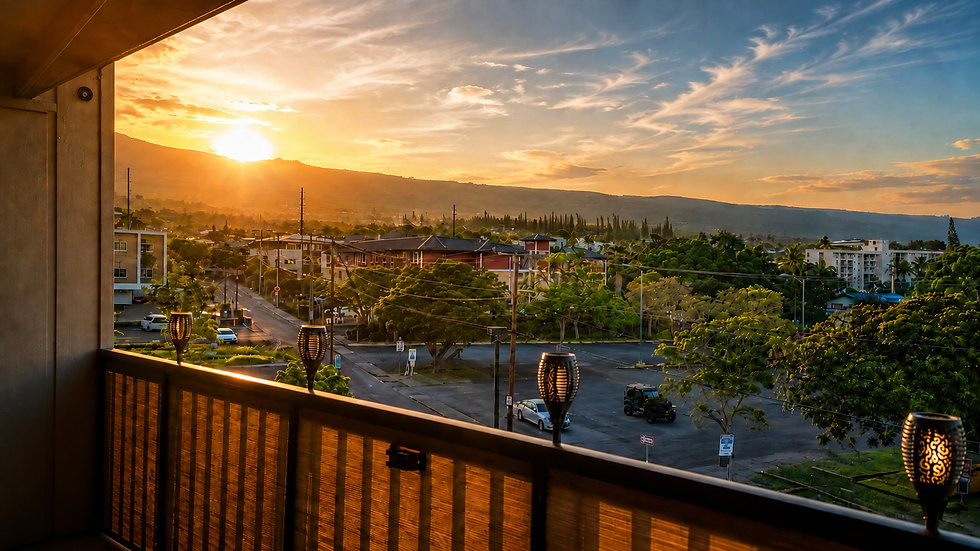
Kona Vista Paradise gives you a spacious three-bedroom home base in walkable downtown Kailua-Kona, with ocean and mountain views, a private lanai, and easy access to the Kona Coast.
Begin with a simple downtown beach session, drive south for a reef adventure, or book a guided trip into Kealakekua Bay—then return to restaurants, shopping, historic landmarks, and sunset views within minutes of your door.