Kona Coffee Farms Worth Visiting: Tours, Tastings & Authentic Farm Experiences

Coffee is one of the best ways to experience Kona beyond the shoreline.
The farms on the slopes above Kailua-Kona, Hōlualoa, Kealakekua, and Captain Cook reveal a cooler, greener side of the island shaped by volcanic soil, afternoon cloud cover, hand-harvested fruit, family agriculture, and more than a century of local history.
Not every farm visit offers the same experience. Some provide free walk-in tours of working processing facilities. Others focus on small-group tastings, historical interpretation, roasting classes, scenic cafés, or hands-on activities. The right choice depends on whether you care most about agriculture, flavour, history, views, convenience, or making your own roast.
This guide compares several Kona coffee farms worth visiting without pretending that one is universally “the best.” It also explains what to expect, how to recognize genuine Kona coffee, and how to plan a farm day without spending the entire trip driving from tasting room to tasting room.
Hours, prices, tour formats, reservation policies, and seasonal activities can change. Confirm current details directly with each farm before leaving.

Kona Coffee Farms Worth Visiting at a Glance:
Best for: a comprehensive free working-farm tour
Best for: history, culture, and understanding early coffee-farming life
Best for: a high-elevation cloud-forest setting and a short free tour
Best for: a polished guided visit with several optional classes
Best for: roasting your own coffee and panoramic coastal views
Best for: scenic grounds, trellis-grown coffee, and hands-on roasting options
Best for: specialty-coffee enthusiasts and a focused tasting experience
The best plan is usually to choose one major farm experience and one contrasting stop rather than trying to visit every farm in a single day.
What Makes Kona Coffee Different?
“Kona coffee” is not simply coffee roasted in Kona or sold from a Kona storefront. The name refers to coffee grown within the recognized Kona geographic origin on the western slopes of Hawaiʻi Island.
The region’s upland climate contributes to its reputation. Coffee trees grow above the hot shoreline in volcanic soils, with sunny mornings, cooler temperatures, and frequent afternoon cloud cover. Farms vary considerably in elevation, shade, varietals, processing methods, and roast style, so genuine Kona coffees do not all taste identical.
A good farm tour should help you understand the entire path from seed to cup:
• Coffee seedlings and mature trees
• White seasonal blossoms
• Green and ripe red coffee cherries
• Selective hand-picking
• Pulping and fermentation
• Drying and storage
• Milling and grading
• Roasting
• Brewing and tasting
The visit becomes more meaningful when you see coffee as an agricultural product rather than only a souvenir.
Understanding “100% Kona” and Kona Blends
Read the front and back of the package carefully.
A bag labelled “100% Kona Coffee” should contain coffee entirely from the Kona geographic origin.
A product described as a “Kona blend” contains Kona-grown coffee mixed with coffee from elsewhere. The percentage must be disclosed under Hawaiʻi’s labelling rules, and the state has enacted a higher minimum for geographic-origin blends beginning in July 2027.
A blend is not automatically bad coffee, but it is a different product. A visitor who believes they are paying for pure Kona coffee should look specifically for “100% Kona” rather than relying on Kona imagery, a Kona business address, or the word “blend.”
At a farm, ask:
• Was this coffee grown entirely on this farm?
• Is it estate-grown, or does the company also purchase cherry or green coffee from other Kona growers?
• Is the bag 100% Kona or a geographic-origin blend?
• Which varietal is being served?
• How was it processed?
• When was it roasted?
These questions are not accusations. They are part of learning how agricultural coffee is produced and sold.

Best for: a substantial free introduction to commercial Kona coffee production
Location: Kealakekua
Typical visit: guided farm and processing tour with tasting
Reservation approach: walk-in for standard tours; arrangements required for larger or private groups
Greenwell Farms is one of the easiest places to recommend to first-time visitors because the standard guided tour is both substantial and complimentary.
The farm traces its history to Henry Nicholas Greenwell, who arrived in Kona in 1850. Today, visitors can see coffee trees, agricultural areas, and processing facilities while learning how coffee moves from cherry to finished product.
The standard tour generally lasts around 45 to 60 minutes and covers uneven, unpaved terrain with mild slopes. That makes it more of a genuine working-farm walk than a quick tasting-room presentation.
Coffee samples are available around the tour, allowing visitors to compare roasts after seeing how the crop is grown and processed.
Why choose Greenwell Farms:
• The guided tour is free
• It provides a broad seed-to-cup overview
• Visitors see both agriculture and processing
• The historical background adds context
• It works well as the first coffee farm of a Kona trip
What to know:
• Wear shoes suitable for uneven ground
• Afternoon heat or rain may affect comfort
• Standard tours are not intended for large commercial groups
• The farm does not permit unescorted wandering through production areas
• The last tour departs before the store closes
Greenwell is especially useful for groups where some people are curious about coffee but not committed enough to book an expensive specialty experience.

Best for: cultural history, family agriculture, and understanding how coffee shaped Kona
Location: Captain Cook
Typical visit: self-guided historical farm experience with interpreters and preserved structures
Reservation approach: standard visitors can generally arrive during open public hours; large groups need advance arrangements
The Kona Coffee Living History Farm is fundamentally different from a modern commercial farm tour.
Operated by the Kona Historical Society, the site interprets the life of Japanese immigrant coffee farmers during the early twentieth century. The preserved Uchida farmhouse, coffee mill, drying platform, gardens, and agricultural landscape place coffee within the daily lives of the families who helped build Kona’s coffee industry.
Visitors can explore the farmhouse, traditional kitchen, tatami rooms, farm equipment, gardens, and coffee-processing areas. Depending on the day and program, interpreters may demonstrate domestic tasks, agriculture, food preparation, or historical processing methods.
This is the best choice for visitors who want to understand that Kona coffee is not only a premium consumer product. It is also a story of immigration, labour, family enterprise, adaptation, and community.
Why choose the Living History Farm:
• It provides the strongest historical and cultural interpretation
• The farmhouse and mill make the past tangible
• It tells the story of small family farms
• It adds depth to a South Kona day
• Admission supports preservation and educational programming
What to know:
• Public hours are limited compared with commercial farms
• Admission is charged
• Final entry occurs before closing time
• The experience is less focused on comparing modern roast profiles
• Check the current program calendar before building the day around a specific demonstration
Pairing this site with a modern working farm creates one of the most complete coffee experiences in Kona.

Best for: cooler temperatures, high-elevation scenery, a short free tour, and a cloud-forest atmosphere
Location: Kaloko, on the slopes above Kailua-Kona
Typical visit: short guided production tour and tasting
Reservation approach: family groups can normally join without advance reservations
Mountain Thunder sits high above the coast in the Kaloko cloud forest. The drive itself reveals how different Kona’s uplands can feel from the dry shoreline below.
The plantation offers short free educational tours that explain growing conditions, milling, drying, roasting, and roast differences. The standard tour is easy and wheelchair-friendly, making it a practical choice for visitors who want a concise experience without a long walk through rough fields.
Mountain Thunder also offers a separate self-guided nature walk through the cloud forest. The trail includes views of lava tubes, tropical vegetation, and an observation deck overlooking the plantation and coast.
The nature walk is not the same as the accessible farm tour. It uses a gravel path, steps, and a steep return up the driveway, so it is not suitable for wheelchairs or walkers.
Why choose Mountain Thunder:
• The free tour is short and easy to fit into a day
• The high-elevation setting contrasts with South Kona farms
• Visitors can sample several roasts
• The plantation emphasizes 100% Kona and certified-organic offerings
• The optional nature walk adds geology and forest scenery
What to know:
• The cloud forest can be cool, misty, or rainy
• Morning is generally better for the optional nature walk
• The nature trail charges a small family-group fee
• Sturdy footwear is appropriate for the trail
• The winding upland drive takes longer than the map may suggest
Mountain Thunder is a good choice when your group wants more than coffee but does not want a long paid class.

Best for: a polished guided experience, scenic grounds, and optional coffee classes
Location: Hōlualoa
Typical visit: one-hour guided seed-to-cup farm tour with samples
Reservation approach: advance booking is preferred
Heavenly Hawaiian is well suited to visitors who prefer a structured experience with clear booking times and several ways to go deeper.
The standard coffee farm tour lasts about an hour and covers the farm’s operation from seed to cup. It includes multiple coffee samples and a guided explanation of how 100% Kona coffee is grown, processed, and prepared.
The farm also offers additional experiences beyond the basic tour. These have included a hands-on paniolo roasting class, brewing instruction, and other scheduled activities. The roasting experience allows guests to roast coffee in a traditional-style open skillet and take home their own small batch.
The property also includes a coffee bar and shop, making it easier for mixed groups to relax before or after a tour.
Why choose Heavenly Hawaiian:
• The experience is organized and easy to reserve
• The standard tour is detailed without consuming half the day
• Optional classes suit serious coffee drinkers
• The grounds and coastal views are attractive
• Visitors can combine touring, tasting, and a café stop
What to know:
• This is a paid guided experience
• Book ahead during busy travel periods
• Confirm which samples and take-home products are included
• Different classes have separate prices and schedules
• The farm is generally closed one day each week
Heavenly Hawaiian works especially well for couples, small groups, and visitors who want a polished tour rather than an informal drop-in.

Best for: roasting your own coffee, a convenient café stop, and panoramic views
Location: slopes above Kailua-Kona
Typical visit: free estate, shop, and café access; paid hands-on roasting tour
Reservation approach: café and shop do not normally require reservations; roasting experiences should be booked
UCC Hawaii offers one of the most accessible ways to combine a scenic coffee stop with a hands-on activity.
Visitors can enter the estate, visit the shop and café, and enjoy the coastal view without paying admission. The main bookable experience centres on roasting your own 100% Kona coffee with guidance from the estate’s staff.
During the seasonal harvest period, the experience may also include an opportunity to pick ripe coffee cherries. Because harvesting depends on the crop, visitors should never assume that picking will be available outside the stated season.
The estate’s position above the coast makes it a strong option for visitors who want good photographs, a relaxed drink, and an activity that produces a take-home souvenir.
Why choose UCC Hawaii:
• Free admission to the estate’s public shop and café
• Hands-on roasting is available
• The view over the Kona coast is excellent
• It is relatively close to Kailua-Kona
• Seasonal cherry-picking may be available during harvest
What to know:
• Regular public hours are primarily weekdays
• Roasting tours require payment and booking
• Seasonal picking is not guaranteed
• Confirm holiday closures
• Decide whether you want a full agricultural tour or primarily a roasting experience
UCC is a strong choice for travellers who value a memorable activity and scenery more than a long walk through a working orchard.

Best for: ocean views, unusual trellis-grown coffee, and several levels of roasting experience
Location: Kealakekua
Typical visit: free self-guided option, guided facility tours, or hands-on roasting
Reservation approach: free self-guided visits can normally be done on demand; paid experiences can be booked
Kona Joe is visually distinctive because parts of its coffee are trained on trellises rather than grown only as freestanding trees. The property overlooks the Kona coast and includes a coffee bar, baked goods, and multiple tour formats.
Visitors who want a quick stop can watch an introductory video and take a free self-guided walk. Paid options add a guide, coffee and chocolate tasting, facility access, and take-home items.
The farm’s interactive roasting experiences range from roasting a small personal batch to longer, more involved sessions with a roast master.
Why choose Kona Joe:
• The panoramic coastal setting is a major attraction
• The trellis system provides a different agricultural story
• Free and paid choices are available
• Hands-on roasting produces a useful souvenir
• The café makes it easy to linger
What to know:
• Tour names, inclusions, and prices vary
• Read the current booking page carefully before selecting an option
• A free self-guided visit is not equivalent to a full guided farm tour
• Some packages focus more on roasting than field agriculture
• The property is farther south than downtown Kailua-Kona
Kona Joe is an excellent choice for visitors who want to combine coffee education with views and a more interactive souvenir.

Best for: specialty-coffee drinkers, small-batch roasting, and a focused tasting
Location: Hōlualoa area
Typical visit: bookable plantation tour with tasting
Reservation approach: reserve through the farm’s current booking system
Hula Daddy is particularly appealing to people who already care about coffee quality, roast development, and flavour differences.
The farm emphasizes 100% Kona coffee and small-batch roasting. Its plantation visits include tastings of the company’s coffees, making the experience less about simply seeing a famous crop and more about tasting how farming, processing, and roasting decisions affect the cup.
The official booking system may display availability and details dynamically, so confirm the current duration, price, accessibility, and inclusions before making it the centrepiece of the day.
Why choose Hula Daddy:
• Strong focus on specialty coffee
• Tastings highlight differences between coffees
• Small-batch roasting is central to the experience
• The Hōlualoa location fits naturally into an upland coffee day
• It appeals to visitors who want more than a generic farm overview
What to know:
• Reserve ahead
• Current tour details may not be fully visible until booking
• This may be less suitable for visitors who do not drink coffee
• Ask whether the visit includes fields, processing, roasting, or primarily tasting
• Confirm terrain and accessibility directly
Hula Daddy is best treated as a deliberate coffee-focused appointment rather than a spontaneous roadside stop.
Which Kona Coffee Farm Should You Choose?
Choose Greenwell Farms when:
• You want the strongest free general introduction
• You want to see a working farm and processing operation
• Your group has mixed levels of interest
• You are already travelling through Kealakekua
Choose the Kona Coffee Living History Farm when:
• History and culture matter more than roast comparisons
• You want to understand early family-farm life
• You are visiting Captain Cook or Puʻuhonua o Hōnaunau
• You want admission to support preservation
Choose Mountain Thunder when:
• You want a cooler, high-elevation environment
• You prefer a short free tour
• Organic production interests you
• You want the option of a cloud-forest and lava-tube walk
Choose Heavenly Hawaiian when:
• You prefer a structured reservation
• You want a polished one-hour tour
• A brewing or roasting class sounds appealing
• You want attractive grounds and a café-style stop
Choose UCC Hawaii when:
• You want to roast your own coffee
• Views and photography matter
• You want a stop close to Kailua-Kona
• Your group includes people who may prefer the café to a long farm walk
Choose Kona Joe when:
• You want ocean views and several tour levels
• The trellis-growing method interests you
• You want a hands-on roasting experience
• You want coffee, baked goods, and a longer scenic stop
Choose Hula Daddy when:
• You already enjoy specialty coffee
• You want a more focused tasting
• Small-batch roasting interests you
• You are comfortable booking in advance
Free Tour or Paid Tour?
A free tour can be excellent.
Greenwell and Mountain Thunder both provide legitimate educational experiences without requiring a paid ticket. Free visits are ideal for families, casual coffee drinkers, and travellers who want flexibility.
Paid tours are worthwhile when they provide something additional:
• A smaller group
• A longer guided walk
• Historical interpretation
• Hands-on roasting
• Brewing instruction
• A take-home bag of coffee
• Access to areas not included in a free visit
• More detailed tasting and discussion
Do not judge value only by tour length. A focused 45-minute roasting class may be more memorable than a two-hour general presentation, depending on your interests.
What Time of Year Is Best?
Coffee farms can be visited throughout the year, but the landscape changes with the crop cycle.
The exact timing varies by elevation, weather, and farm, but visitors may encounter:
Winter and early spring:
Periods of flowering may follow rainfall, covering coffee trees in fragrant white blossoms.
Spring and summer:
Green cherries develop and mature.
Late summer through winter:
Harvest activity becomes more visible, with ripe red cherries appearing at different elevations and picking occurring in repeated rounds.
Processing, drying, roasting, and tasting continue beyond the visible harvest season.
No farm can promise blossoms, ripe cherries, active picking, or a working pulper on a particular date. Ask what is happening in the crop cycle when you arrive.
How Many Farms Should You Visit in One Day?
Two is usually ideal.
Visiting four or five farms in one day sounds efficient, but the experiences begin to blur together. Repeated tastings also make it harder to notice differences between coffees.
A better plan combines contrasting stops.
History and Modern Production
Morning:
Kona Coffee Living History Farm
Afternoon:
Greenwell Farms
This pairing connects early family agriculture with a larger modern working farm.
Cloud Forest and Scenic Roasting
Morning:
Mountain Thunder
Afternoon:
UCC Hawaii
This route combines a high-elevation farm with a hands-on roasting stop closer to town.
Coffee Enthusiast Day
Morning:
Hula Daddy or Heavenly Hawaiian
Afternoon:
Kona Joe roasting experience
This plan suits visitors who want tastings, brewing, or roasting rather than only a general agricultural introduction.
South Kona Cultural Day
Morning:
Greenwell Farms or Kona Coffee Living History Farm
Midday:
Lunch in Kealakekua or Captain Cook
Afternoon:
Puʻuhonua o Hōnaunau or Kealakekua Bay
Coffee fits naturally into South Kona without requiring a separate full day.
What to Wear and Bring
Coffee country is cooler and wetter than the shoreline.
Bring:
• Closed-toe or sturdy walking shoes
• A light rain layer
• Drinking water
• Sun protection
• Insect repellent when walking through vegetation
• A small bag for purchases
• A cooler place in the vehicle for chocolate or heat-sensitive items
Avoid planning a farm walk in beach sandals when the tour uses soil, grass, gravel, slopes, or wet processing areas.
Accessibility and Mobility
Accessibility varies greatly.
A paved tasting room may be easy to reach while the orchard walk is not. A farm described as wheelchair-friendly may refer to the standard tour but not an optional nature trail.
Before booking, ask:
• Is the parking area paved or gravel?
• Are there steps?
• How steep is the route?
• Is the tour surface paved, grass, soil, or loose gravel?
• Is seating available during the presentation?
• Is an accessible restroom available?
• Can someone participate in the tasting without completing the walk?
• Is the roasting activity completed while standing?
Specific questions produce better answers than asking only whether a farm is “accessible.”
Coffee Tasting Without Pretension
You do not need expert vocabulary to compare coffee.
Let each sample cool slightly, then notice:
• Aroma
• Perceived sweetness
• Acidity or brightness
• Body or texture
• Bitterness
• Fruit, chocolate, nut, floral, caramel, or spice impressions
• How the flavour changes as the cup cools
Taste lighter roasts before darker ones when possible. Strong dark-roast flavours can overwhelm the subtler differences in the next sample.
Drink water between tastings and avoid loading the cup with cream or sugar until you have tasted it plain. You can still prefer coffee with milk, the goal is simply to understand what the coffee itself contributes.
Buying Coffee at the Farm
Farm-direct coffee can be expensive because Kona agriculture involves limited land, hand-picking, local labour costs, processing, sorting, and small production volumes.
Before buying, check:
• 100% Kona versus blend
• Whole bean versus ground
• Roast level
• Roast date
• Bag size
• Estate-grown versus coffee sourced from multiple Kona growers
• Shipping options
• Agricultural inspection requirements for other farm products
• Whether the same coffee can be ordered later online
Whole beans generally preserve freshness longer than pre-ground coffee. Buy only what you can use while it is still fresh unless the farm offers reliable shipping.
Common Mistakes to Avoid
Choosing Only by Online Ranking
The most popular farm is not automatically the best match for your group. A history-focused visitor and a home-roasting enthusiast need different experiences.
Visiting Too Many Farms
Choose depth over repetition.
Assuming Every Tour Includes the Fields
Some experiences focus on roasting, tasting, or the production building. Read the description carefully.
Expecting to Pick Coffee
Harvest activities are seasonal and may be restricted for safety or agricultural reasons.
Wearing Beach Footwear
Farm surfaces are often uneven and wet.
Buying a “Kona Blend” Without Reading the Percentage
Look for the geographic-origin percentage and decide whether you want a blend or 100% Kona.
Depending on Walk-In Availability
Free tours may be flexible, but paid specialty experiences can sell out.
Arriving Just Before Closing
Tour departure, tasting, and admission cutoffs may occur well before the gift shop closes.
Respecting a Working Farm
Coffee farms are agricultural workplaces.
Stay with the guide, remain on designated paths, and do not pick cherries, flowers, fruit, or plants without permission.
Avoid touching machinery or entering processing areas on your own. Keep children supervised and follow instructions around animals, vehicles, wet floors, drying coffee, and uneven land.
When sampling is complimentary, buying coffee is appreciated but not mandatory. A tip may also be appropriate when the farm permits it and the guide provided a strong experience.
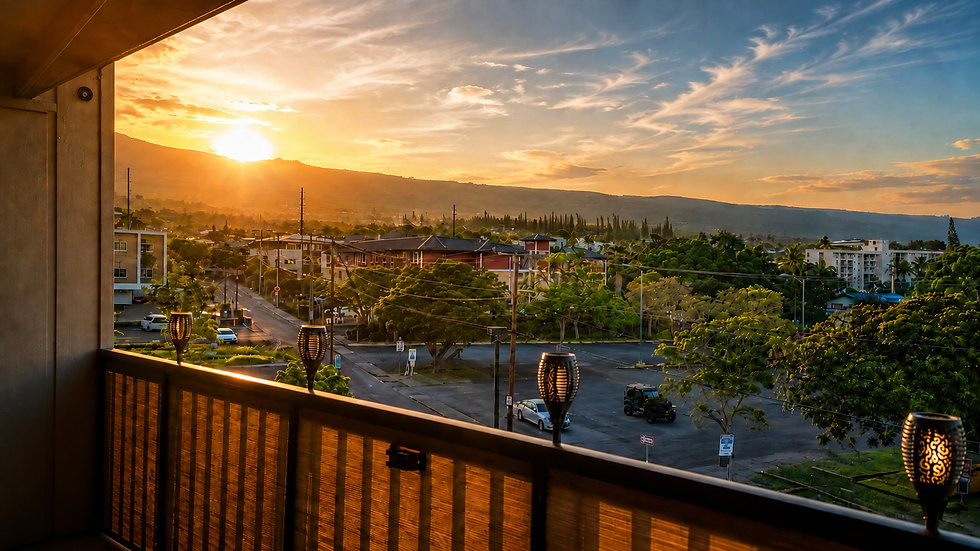
Make Kona Vista Paradise Your Home Base
Kona Vista Paradise places you in downtown Kailua-Kona, below the coffee-growing slopes and within reach of farms both north and south of town.
You can spend the morning in the cool uplands, learn how Kona coffee is grown, compare several roasts, and return to the waterfront for dinner and sunset without changing accommodations or committing to a distant resort.
The best coffee-farm visit is not simply the place with the largest gift shop or the most expensive bag.
It is the visit that helps you understand where the coffee came from, who grew it, how it was processed, and why one cup can taste completely different from the next.
Choose one or two farms that match your interests, ask questions, taste slowly, and let coffee introduce you to the landscape and history of Kona.