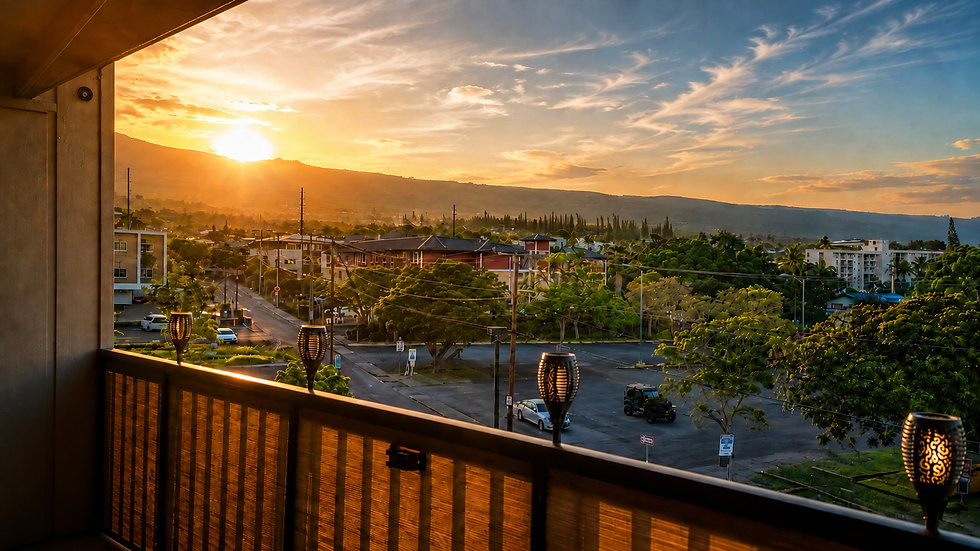
The Perfect Three-Day Kona Itinerary: Beaches, History, Snorkeling & Local Food

Three days is not enough to see all of Hawaiʻi Island, but it is enough to experience what makes the Kona coast special without spending the entire trip in the car.
The key is choosing a comfortable home base and grouping each day geographically. From Kona Vista Paradise, you can explore Historic Kailua Village on foot, reach popular snorkeling areas along Aliʻi Drive, and make a focused South Kona day trip through coffee country and some of the island’s most important cultural landscapes.
This three-day Kona itinerary balances beaches, Hawaiian history, snorkeling, local food, scenic drives, and unstructured time. It is designed for first-time visitors, but it also works for returning travelers who want a relaxed Kona-centered trip rather than an exhausting island-wide checklist.
Ocean conditions, attraction hours, tour schedules, and restaurant availability can change. Confirm current information before leaving each morning and be willing to rearrange the days around weather and surf.

Three-day Kona itinerary at a Glance
Day 1: Historic Kailua Village, Kamakahonu, waterfront dining, and sunset
Day 2: Morning snorkeling at Kahaluʻu Bay, lunch, and Kona coffee country
Day 3: Kealakekua Bay, Puʻuhonua o Hōnaunau, and a scenic South Kona return
Before You Begin
A few decisions will make the itinerary much easier.
Reserve anything time-sensitive in advance. Coffee tours, guided snorkel trips, dinner reservations, and cultural programs may have limited availability.
Plan ocean activities for the morning. Kona mornings are often the best time to check conditions, and starting early leaves room to change plans if the water is not suitable.
Do not force a snorkeling day. Calm-looking water can still contain current, surge, sharp rock entries, and changing conditions. Ask lifeguards or tour operators about the day’s conditions, stay within your abilities, and choose a land-based alternative when uncertain.
Keep the schedule flexible. The goal is not to complete every stop. It is to enjoy each area without turning the trip into a race.
Day 1: Historic Kailua Village, the Waterfront, and Sunset
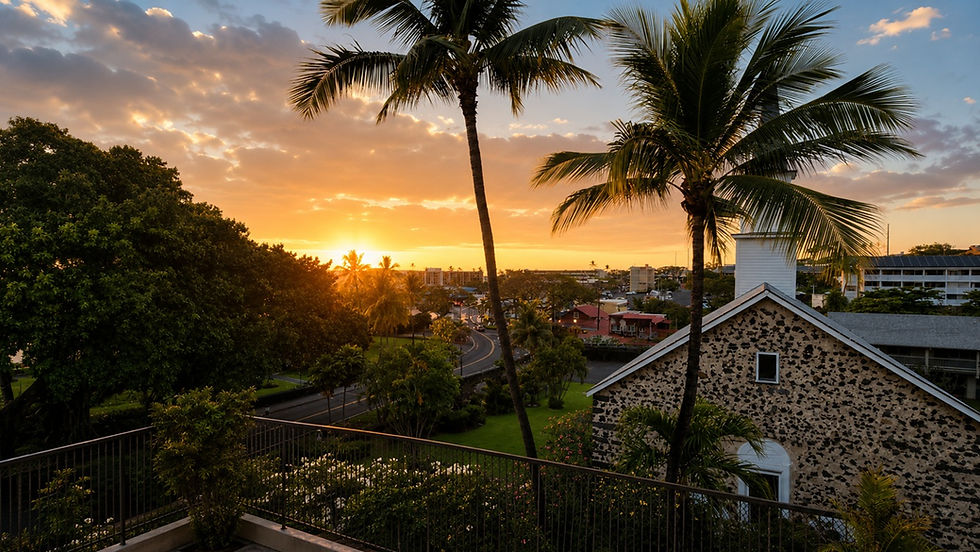
Your first day should be the least complicated. Leave the car parked and begin by learning the layout of downtown Kailua-Kona.
From Kona Vista Paradise, the pedestrian shortcut beside the property reaches Aliʻi Drive directly across from Kona Inn Shopping Village. From there, the main historic landmarks, restaurants, shops, Kailua Pier, and the waterfront are close enough to explore on foot.
Morning: Walk Through Historic Kailua Village
Begin near Mokuʻaikaua Church and Huliheʻe Palace.
Mokuʻaikaua was founded in 1820 and is recognized as Hawaiʻi’s first Christian church. The existing lava-rock structure dates to the nineteenth century and remains one of the most recognizable buildings along Aliʻi Drive.
Across the street, Huliheʻe Palace was constructed in 1838 and later became a retreat for members of Hawaiʻi’s royal families. Check the palace’s current visitor schedule before planning to enter; even when it is closed, the exterior and oceanfront grounds help establish the historic character of the village.
Continue north toward Kailua Pier, Kamakahonu, and Ahuʻena Heiau. This area was associated with Kamehameha I during the final years of his life and became an important political and religious center.
The walk is short in distance but rich in context. Slow down, read interpretive signs, and look back along the waterfront rather than treating the landmarks as quick photo stops.
For a complete route, use our separate guide: A Walking Guide to Historic Kailua Village.
Late Morning: Kamakahonu Beach and Kailua Pier
Kamakahonu is a small, sheltered beach beside Kailua Pier. It can be a convenient place to sit near the water, take a brief swim when conditions are appropriate, or simply watch the activity around the bay.
This is not the day’s major beach excursion. Think of it as an easy introduction to the Kona waterfront before lunch.
Kailua Pier is also one of the village’s central gathering points. Depending on the day, you may see swimmers, paddlers, fishing boats, tours, and community activity around the bay.
Lunch: Choose Something Along Aliʻi Drive
Walk back through town and choose lunch according to the group’s mood.
You will find seafood, cafés, pizza, plant-forward meals, Indian and Nepali cuisine, casual waterfront restaurants, and quick food inside Kona Inn Shopping Village.
Because this is your first day, avoid overplanning the meal. One advantage of staying downtown is being able to look at menus and choose in the moment.
Our Downtown Kona Dining Guide compares nearby choices by meal type, atmosphere, and walking distance.
Afternoon: Rest, Shop, or Return to the Water
The warmest part of the day is a good time to slow down.
Return to Kona Vista Paradise for a break on the lanai, explore shops along Aliʻi Drive, stop for coffee or a cold drink, or revisit the waterfront when the light begins to soften.
This open block is intentional. Many visitors lose the first day to travel fatigue, grocery shopping, and settling in. Leaving space here prevents the rest of the itinerary from feeling rushed.
Evening: Sunset and a Walkable Dinner
Choose a restaurant with a waterfront view or bring takeout back to the condo.
Kona sunsets are better enjoyed when nobody has to worry about a long drive afterward. From downtown, you can watch the light change over the ocean, have dinner, and walk home.
A reservation is worthwhile when sunset seating matters, especially on weekends or during busy travel periods.
Day 2: Snorkeling at Kahaluʻu Bay and Kona Coffee Country

Day two combines an active morning near the coast with a slower afternoon at higher elevation.
Kahaluʻu Beach Park is south of downtown on Aliʻi Drive. Hawaiʻi County lists restrooms, a pavilion, barbecue facilities, ADA accessibility, and daily lifeguard staffing during posted hours. Those services make it a practical snorkeling choice for many visitors, but they do not guarantee safe water.
Early Morning: Check Conditions Before Leaving
Look at the ocean from town, check current advisories, and confirm that Kahaluʻu is open.
Bring:
• Swimsuits and towels
• Drinking water
• Sun-protective clothing or a rash guard
• Snorkeling equipment that fits properly
• Secure footwear for walking around wet or uneven surfaces
• A dry change of clothes for the afternoon
Avoid applying products immediately before entering the water when they may wash off. Shade, clothing, and timing are often the simplest protection.
Morning: Snorkel at Kahaluʻu Bay
Arrive early enough to find parking and orient yourself before entering.
Kahaluʻu is known for nearshore marine life and has more visitor infrastructure than many remote snorkeling entries. Beginners should speak with lifeguards or local reef educators when available, remain in comfortable depths, and avoid following stronger swimmers beyond their ability.
Do not stand on coral, chase or touch wildlife, remove anything from the water, or feed fish. Give sea turtles and other animals space and let them control the encounter.
When visibility, surf, or comfort is poor, skip snorkeling. A beach morning is still worthwhile, and the itinerary has enough flexibility to move the ocean activity to another day.
For comparisons with other locations, see our guide to the Best Snorkeling Spots Near Kailua-Kona.
Late Morning or Lunch: Return Toward Keauhou or Downtown
After snorkeling, change into dry clothes and stop for lunch.
You can eat near Keauhou, return to downtown Kailua-Kona, or continue directly into coffee country and find something along the Mamalahoa Highway corridor.
Keep lunch fairly light if you are planning a walking farm tour in the afternoon.
Afternoon: Visit a Kona Coffee Farm
The slopes above South Kona are cooler and greener than the shoreline, creating a completely different atmosphere within a relatively short drive.
Choose an operating coffee farm that offers a legitimate visitor program. Depending on the farm, a tour may cover coffee trees, harvesting, processing, drying, roasting, agricultural history, and tasting.
Greenwell Farms is one established option in the Kealakekua area with public farm tours and coffee tasting. The Kona Coffee Living History Farm offers a more historical interpretation of early twentieth-century coffee life, but its public days and programs are limited and can change. Check current schedules before building the day around either location.
A coffee farm visit is more rewarding when treated as an agricultural and cultural experience, not only as a place to collect free samples.
Late Afternoon: Scenic Return to Kona
Drive back toward Kailua-Kona without adding another major attraction.
Stop at a safe viewpoint or local shop when something interests you, but resist the urge to pack in an extra cross-island drive. Return to the condo, shower, and take a break before dinner.
Evening: Casual Dinner or an Optional Night Activity
After snorkeling and a farm tour, a relaxed dinner is usually enough.
Those with more energy could reserve a professionally operated manta-ray night experience on a different evening or after a lighter version of this day. Do not add it automatically: late-night ocean activities require additional planning, suitable conditions, and a reputable operator.
For most groups, dinner within walking distance and an early night create a better setup for day three.
Day 3: Kealakekua Bay and Puʻuhonua o Hōnaunau

The third day travels deeper into South Kona and connects two places with major cultural and historical importance.
Start early. The shoreline can become hot, parking is easier earlier in the day, and an unhurried visit is more respectful than arriving shortly before closing.
Morning: Kealakekua Bay State Historical Park
Drive south through Captain Cook and descend toward the Nāpōʻopoʻo side of Kealakekua Bay.
The state historical park marks an area of deep Hawaiian history and the site of early sustained contact between Hawaiians and Westerners. From the accessible side of the bay, visitors can view Hikiau Heiau and look across the water toward the Captain Cook Monument.
The monument side of the bay is not directly accessible by car. Reaching that side generally requires an authorized boat or kayak arrangement, or a difficult exposed hike that is not appropriate for every visitor.
For this itinerary, the shoreline visit is enough. Take in the bay, learn the history, and avoid turning a culturally important place into only a photo stop.
Kealakekua Bay is also a Marine Life Conservation District. Regulations protect marine life and prohibit actions such as taking coral or other natural material and feeding fish.
There is no lifeguard at Nāpōʻopoʻo. Do not enter the water simply because other people are doing so.
Optional Alternative: Guided Kealakekua Bay Snorkeling
Travelers who want a major boat-based snorkeling experience can book an authorized guided trip to Kealakekua Bay and make it the centerpiece of the morning.
That option may provide easier access to the bay’s best-known snorkeling area, but it changes the timing of the day. Confirm the operator, departure point, equipment, physical requirements, environmental practices, and cancellation policy before booking.
When choosing the boat option, shorten the afternoon rather than rushing through Puʻuhonua o Hōnaunau.
Midday: Lunch in South Kona
Have lunch in the Captain Cook or Kealakekua area, or pack food where permitted and appropriate.
Do not assume that every small business will be open every day. Confirm hours before depending on one specific restaurant, and carry enough water for the remainder of the afternoon.
Afternoon: Puʻuhonua o Hōnaunau National Historical Park
Continue south to Puʻuhonua o Hōnaunau National Historical Park.
Historically, the puʻuhonua served as a protected place of refuge. The surrounding royal grounds also preserve important structures, cultural landscapes, traditional features, and reconstructed elements that help visitors understand life in pre-contact Hawaiʻi.
Begin at the visitor center when it is open, watch the park film or collect orientation materials, and then follow the self-guided route through the grounds.
Move respectfully around sacred and reconstructed cultural features. Stay on designated paths, do not climb structures or kiʻi, and follow all National Park Service instructions.
The site is exposed and often hot. Carry water, wear sun protection, and allow more time than a quick stop would suggest.
Check current park hours, fees, alerts, and programs on the National Park Service website before leaving Kona.
Late Afternoon: Return Along the Kona Coast
Drive back toward downtown without adding a distant detour.
You may choose a brief stop at a coffee shop, scenic pullout, or local market if time allows. Otherwise, return to Kona Vista Paradise and enjoy the final evening close to home.
Final Dinner: Revisit a Favorite or Try Something New
On the last night, choose whichever style of meal the group has not yet experienced.
That might mean a classic waterfront dinner, pizza and pasta, a plant-forward café, Indian and Nepali food, fresh fish, or takeout on the lanai.
By the third evening, the advantage of staying downtown becomes clear: after a full South Kona day, you can park once and walk to dinner.
When to Rearrange the Days
Move the snorkeling day when:
• Surf, current, wind, or visibility looks poor
• Kahaluʻu is closed
• Someone in the group is uncomfortable in the water
• A guided boat trip is available on another morning
Move the South Kona day when:
• Your preferred coffee tour operates only on certain days
• Puʻuhonua o Hōnaunau has a special program you want to attend
• Heavy rain or road conditions affect the route
• A Kealakekua Bay tour has limited availability
Keep the downtown day flexible. It is the easiest day to use as a substitute when the ocean or weather disrupts other plans.
Alternatives for Different Travelers
For Families With Young Children
Spend less time driving and more time near downtown. Keep Kamakahonu and Kahaluʻu as condition-dependent beach stops, schedule frequent shade breaks, and choose casual meals.
For Strong Snorkelers
Replace the standard Kahaluʻu morning with an authorized boat trip to Kealakekua Bay. Do not combine multiple challenging ocean entries merely to increase the number of locations visited.
For History-Focused Travelers
Allow more time at Huliheʻe Palace, the historic village landmarks, the Kona Coffee Living History Farm when operating, and Puʻuhonua o Hōnaunau.
For Travelers With Limited Mobility
Confirm accessibility directly with each attraction and tour operator. The pedestrian shortcut beside Kona Vista Paradise includes stairs, but the property and downtown can also be approached by road. Surfaces at beaches, historic sites, and farms vary considerably.
For a No-Rush Vacation
Use this three-day itinerary across four or five days. Separate snorkeling and coffee country, give South Kona a full day, and leave one day almost entirely unscheduled.
What Not to Add to This Itinerary
Avoid trying to include Hawaiʻi Volcanoes National Park, Hilo, Mauna Kea, the Kohala coast, Waipiʻo, and every famous beach within the same three days.
Hawaiʻi Island is large. Long drives can look manageable on a map but consume the experience itself. A Kona-centered itinerary becomes memorable because it allows time to notice the landscape, learn the history, and return to favorite places—not because it collects the greatest number of stops.
Make Kona Vista Paradise Your Home Base
Kona Vista Paradise places you beside Historic Kailua Village and within walking distance of the waterfront, restaurants, shops, historic landmarks, and Kailua Pier.
That location simplifies a short trip. Day one begins outside the door. Day two follows Aliʻi Drive toward Kahaluʻu and the coffee-growing slopes. Day three continues into South Kona before returning to a walkable dinner and sunset.
With a spacious three-bedroom penthouse, private lanai, and a central downtown location, Kona Vista Paradise gives families and groups room to settle in while keeping the best of Kona close.
Three days will not show you the entire island, and that is exactly the point. It is enough time to experience Kona well, without spending the whole vacation trying to leave it.