Best Places to Watch the Sunset in Kona: Beaches, Viewpoints & Waterfront Spots

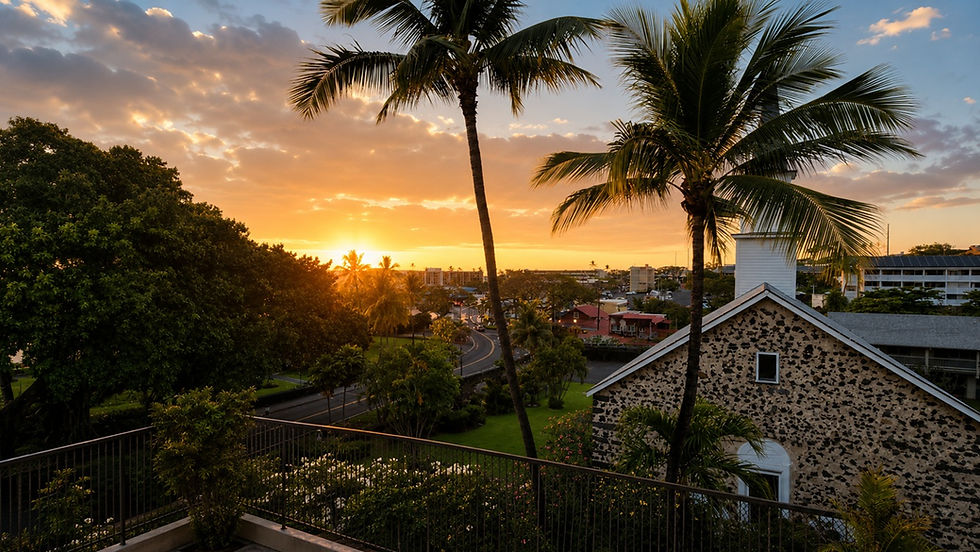
Sunset is part of the daily rhythm of the Kona coast.
As the sun drops toward the Pacific, the heat softens, fishing boats return toward the harbour, restaurants begin filling their oceanfront tables, and people gather along beaches, seawalls, lawns, and black-lava points to watch the sky change.
The best place depends on the experience you want. Some visitors want an easy walk from dinner. Others want a sandy beach, a quiet picnic, a dramatic lava-rock foreground, a family-friendly park, or a destination that feels worth the drive.
This guide compares the best places to watch the sunset in Kona and nearby areas, with practical notes on parking, facilities, walking, photography, ocean safety, and what makes each location different.
Access, parking, park hours, surf, construction, and temporary closures can change. Confirm current conditions before travelling, especially when a gated park or long shoreline walk is involved.

Best Places to Watch the Sunset in Kona at a Glance
Kailua Pier and Kamakahonu
Best for: a walkable sunset beside Kona’s historic waterfront
Aliʻi Drive, Kona Inn and Hale Hālāwai
Best for: combining sunset with dinner, shopping, and an evening stroll
Honl’s Beach at Waiʻaha Bay
Best for: surf, palms, and a casual shoreline view close to downtown
Pāhoehoe Beach Park
Best for: a quiet picnic on grass beside black lava
Magic Sands at Laʻaloa Bay
Best for: a lively sandy-beach sunset
Keauhou Bay
Best for: boats, a sheltered bay, and a sunset south of town
Old Kona Airport Beach Park
Best for: broad ocean views, lava shoreline, and plenty of room to spread out
ʻAiʻōpio at Kaloko-Honokōhau
Best for: a quieter cultural landscape and a more natural shoreline
ʻAnaehoʻomalu Bay
Best for: a postcard-style sunset with palms, sand, and historic fishponds
For guests staying at Kona Vista Paradise, Kailua Pier, Kamakahonu, the Aliʻi Drive waterfront, and Hale Hālāwai are the easiest options because they can be reached without planning an additional drive.
What Makes a Good Kona Sunset?
A clear horizon is only one ingredient.
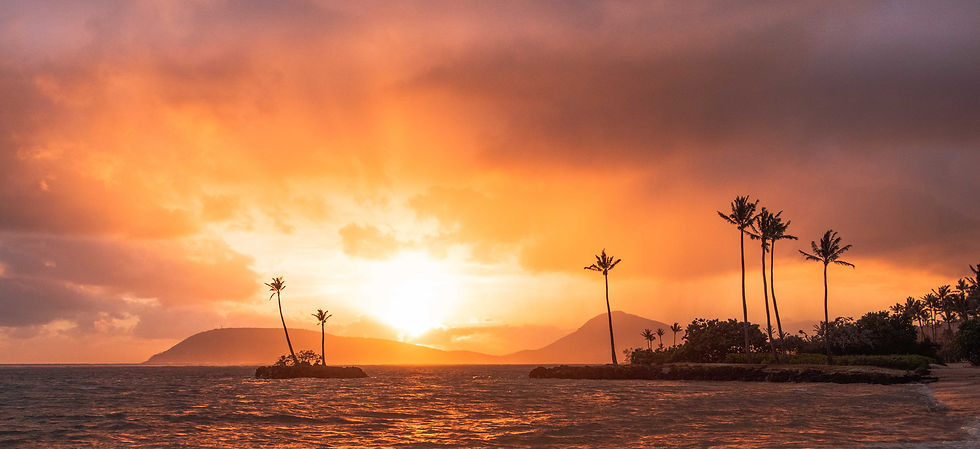
Some of Kona’s most memorable sunsets happen when scattered clouds catch light after the sun has already dropped below the horizon. The strongest colour may appear ten or fifteen minutes after the visible sunset, so do not leave the moment the sun disappears.
The foreground matters too. A photograph of the sun alone can feel flat. Lava rock, palms, canoes, waves, historic buildings, silhouettes, fishing boats, and reflections across a bay give the image depth and make the location recognizable.
Think about what you want before choosing a spot:
• A beach where children can play before sunset
• A grassy picnic area with easy seating
• A restaurant and waterfront walk
• A quiet natural setting
• A strong photography foreground
• Easy parking and restrooms
• A place you can reach without driving
• A final stop after a day trip north or south
No single location is best for every evening.
1. Kailua Pier and Kamakahonu

Best for: a walkable sunset, historic atmosphere, calm-water reflections, and a first evening in Kona
Location: north end of Kailua Bay in Historic Kailua Village
Kailua Pier and Kamakahonu offer one of the most convenient sunset experiences in Kona.
The small beach beside the pier faces across Kailua Bay, with canoes, swimmers, boats, palms, and the reconstructed structures of Ahuʻena Heiau creating a distinctive foreground. The water inside the bay can reflect warm evening light when conditions are calm.
This is also one of Kona’s most historically significant shorelines. Kamakahonu was the final residence of Kamehameha I and once served as the political centre of the Hawaiian Kingdom. Watching sunset here can be paired with a walk through Historic Kailua Village rather than treated as an isolated photo stop.
The pier area is active. Boats use the harbour, swimmers may be in the water, and major events sometimes change access. Stay clear of ramps, working areas, and boat traffic.
Why choose it:
• Walkable from Kona Vista Paradise
• Easy to combine with dinner or a village walk
• Historic structures and canoes provide strong foregrounds
• The bay can produce attractive reflections
• No long return drive after dark
What to know:
• On-site parking is limited
• The pier can become crowded near major events
• Restroom hours may end soon after sunset
• Stay out of boat-traffic areas
• Treat Kamakahonu and Ahuʻena Heiau as culturally significant places, not photography props
Best approach:
Arrive about forty-five minutes before sunset. Walk from Kamakahonu toward the pier, then continue south along Aliʻi Drive after dark for dinner or dessert.
2. Aliʻi Drive, Kona Inn and Hale Hālāwai

Best for: sunset with dinner, an easy waterfront stroll, and several viewing choices
Location: central Historic Kailua Village
You do not need to stand on a beach to enjoy a good Kona sunset.
The oceanfront promenade along Aliʻi Drive provides a series of seawalls, lawns, restaurant patios, public walkways, and open views across Kailua Bay. The section around Huliheʻe Palace, Kona Inn Shopping Village, Waterfront Row, and Hale Hālāwai is particularly useful because you can keep walking until you find the view and atmosphere that suit you.
Kona Inn has a low oceanfront seawall and lawn, while Hale Hālāwai offers a rocky shoreline, seawall, pavilion, restrooms, and public parking across the street. This makes the central waterfront one of the most flexible choices for mixed groups.
Some people can watch from the seawall while others browse shops, find a drink, or wait for a restaurant reservation. After sunset, the group is already in the centre of town rather than facing a dark drive from a remote beach.
Why choose it:
• Several public viewing areas within a short walk
• Restaurants and shops are immediately nearby
• Easy to adjust when one section is crowded
• Good for travellers who do not want sand or uneven trails
• Walkable from Kona Vista Paradise
What to know:
• Oceanfront seating at restaurants fills quickly
• The seawall and lava edges can be slippery
• Do not sit where waves can reach unexpectedly
• Public parking becomes limited near dinner time
• Reserve a restaurant early when sunset dining is important
Best approach:
Begin near Huliheʻe Palace, walk south toward Kona Inn, and continue to Hale Hālāwai. Stop where the sky, crowd level, and foreground look best.
3. Honl’s Beach at Waiʻaha Bay

Best for: a casual neighbourhood sunset, surfers, palms, and a quick stop near downtown
Location: Aliʻi Drive, south of Historic Kailua Village
Honl’s is one of the closest beach-style sunset options outside the central village.
The shoreline combines sand, rock, palms, and a well-known surf break. When waves are running, surfers can create dramatic silhouettes against the evening light. On calmer evenings, the beach has a relaxed, local feel that contrasts with the busier pier area.
The beach is not the best choice for casual swimming at dusk. The shoreline can be rocky, waves and current can be hazardous, and the surf break deserves respect.
Why choose it:
• Close to downtown
• Good palm and surfer silhouettes
• More casual than the central waterfront
• Easy to combine with an Aliʻi Drive walk or meal
• Open until shortly after sunset
What to know:
• Conditions can be rough
• Parking is limited
• Restrooms and showers are across the street
• Do not enter unfamiliar water near dusk
• Give surfers and local ocean users space
Best approach:
Use Honl’s as a viewing stop rather than a late swim. Arrive early enough to find parking, watch from dry sand or a safe position above the waterline, and leave before the shoreline becomes fully dark.

Best for: a simple picnic, grass beside the ocean, and a quieter sunset than Magic Sands
Location: Aliʻi Drive, immediately north of Laʻaloa Bay
Pāhoehoe is a small shoreline park with grass, picnic space, and black lava rather than a broad swimming beach.
That combination makes it useful for people who want to sit comfortably and watch the sky without joining the larger Magic Sands crowd. The lava shoreline creates texture for photographs, while the lawn gives families and older visitors a place to settle away from loose sand.
Pāhoehoe is best viewed as a picnic and sunset park, not as a protected swimming area. Waves can wash over the lava, and the uneven rock becomes difficult to judge after dark.
Why choose it:
• Grassy space for a blanket or simple picnic
• Black-lava foregrounds
• Usually calmer in atmosphere than Magic Sands
• Close to other Aliʻi Drive beaches
• Good choice for travellers who do not need a sandy beach
What to know:
• Facilities are limited
• Lava footing is uneven and sharp
• Stay well back when surf is active
• Bring a small flashlight for packing up
• Do not cross wet lava to improve a photograph
Best approach:
Bring takeout or a light picnic, arrive before the sun becomes low, and stay on the grass or dry upper shoreline.

Best for: a lively beach sunset, families, waves, and a classic vacation atmosphere
Location: Aliʻi Drive south of Kailua-Kona
Magic Sands is one of the most popular sunset beaches near town.
When the sand is present and conditions are suitable, the small bay feels like a classic tropical beach: people swimming, bodyboarding, sitting on the seawall, and gathering on the sand as the sky changes.
The beach is compact, so it can feel crowded. Surf can also be powerful, and the county’s lifeguard coverage ends before many summer sunsets. Once lifeguards leave, visitors should treat the water as unguarded.
Why choose it:
• Sandy-beach atmosphere
• Restrooms and accessible facilities
• Strong wave and shoreline photography
• Easy to reach from central Kona
• A lively place for families and groups
What to know:
• Lifeguards are not present through the entire sunset period
• Waves and shore break can be dangerous
• Parking fills quickly
• The beach can become crowded
• Swimming after dark is a poor idea, even when other people remain in the water
Best approach:
Arrive at least an hour before sunset, enjoy the beach while lifeguards are present, then move fully onto the sand or seawall for the final light.
6. Keauhou Bay

Best for: boats, a sheltered bay, a quieter southern setting, and combining sunset with Keauhou activities
Location: Keauhou, south of Kailua-Kona
Keauhou Bay offers a different sunset composition from the open beaches.
Canoes, tour boats, moorings, the curved shoreline, and the surrounding hills can frame the evening light. The bay also has deep historical importance and remains an active boating area.
Keauhou Bay Park includes a small pebble beach, parking, restrooms, and picnic tables. The state boating facility has a ramp and pier, but swimming is not permitted around the working ramp and pier.
Why choose it:
• Boats and canoes create interesting silhouettes
• More sheltered visual setting than the open coastline
• Parking and restrooms are available
• Easy to combine with a Keauhou afternoon
• Useful for travellers staying south of town
What to know:
• The park is open from sunrise to sunset
• Boat traffic is a major hazard
• Footing can be uneven
• Do not block ramps, crews, or equipment
• Leave promptly when the park closes
Best approach:
Watch from the shore rather than the working pier. Arrive while there is enough light to understand the layout and identify a safe path back to the car.

Best for: wide views, black lava, photography, and having room to spread out
Location: north edge of Kailua-Kona
Old Kona Airport Beach Park provides one of the broadest public shorelines close to town.
The former runway and surrounding park lead to a long stretch of rugged lava coast. There is no single mandatory viewing point, so visitors can walk until they find a safe, uncrowded section with a clear horizon.
The setting is less polished than a resort beach, which is part of its appeal. Lava shelves, tide pools, low vegetation, and open water create strong landscape photographs.
The ocean edge is also unforgiving. Waves can reach farther than expected, holes and cracks become hard to see after sunset, and much of the shoreline is unsuitable for casual swimming.
Why choose it:
• Broad, unobstructed western exposure
• Plenty of space compared with small beaches
• Excellent lava-rock foregrounds
• Close to Kailua-Kona
• Pavilion and restrooms within the larger park area
What to know:
• The best viewpoints may require walking
• Lava is uneven, sharp, and difficult after dark
• There are many places where waves can surge over the edge
• Bring a flashlight
• Avoid exploring tide pools once the light begins fading
Best approach:
Choose a safe viewing place while the sun is still well above the horizon. Stay on high, dry ground and begin walking back while there is still colour in the sky.

Best for: a quieter natural sunset, cultural landscape, fishtrap views, and wildlife observation
Location: north of Kailua-Kona, accessed near Honokōhau Harbor
ʻAiʻōpio offers one of the most atmospheric sunset settings near Kona.
The shoreline includes ʻAiʻōpio Fishtrap, calm shallows, sand, lava, palms, and views across a landscape shaped by generations of Native Hawaiian life. Sea turtles are often seen along the coast, though sightings are never guaranteed.
This is not simply a scenic beach. Kaloko-Honokōhau National Historical Park protects archaeological sites, fishponds, trails, and living cultural traditions. Visitors should remain on established routes, keep a generous distance from wildlife, and treat stone features as protected cultural resources.
The park is open from sunrise to sunset, but the main visitor-centre parking lot closes earlier. The shorter southern access near Honokōhau Harbor provides a brief walk to ʻAiʻōpio, but visitors must still leave the park by sunset.
Why choose it:
• Natural, uncrowded atmosphere
• Historic fishtrap and cultural landscape
• Possible turtle viewing from a respectful distance
• Strong reflections in shallow water
• Close to Kona but visually removed from town
What to know:
• The main visitor-centre parking lot closes before sunset
• Use the official harbour-side access for a late-afternoon visit
• There are no lifeguards
• Trails and lava become difficult in darkness
• The park closes at sunset, this is not a place to linger afterward
Best approach:
Visit during late afternoon, explore before the light fades, watch the final sun from a safe position, and begin leaving immediately at sunset.

Best for: a postcard-style sunset, palm silhouettes, sandy shoreline, and a special final evening
Location: Waikoloa, South Kohala Coast
ʻAnaehoʻomalu Bay, usually called A-Bay, is farther from Kailua-Kona, but it offers one of the island’s most complete sunset scenes.
The curved beach, palms, shallow bay, nearby historic fishponds, and open western horizon make it visually distinctive. GoHawaii specifically identifies A-Bay as a strong sunset location.
The distance means it works best when you are already spending the day on the Kohala Coast. Driving north only for sunset can be worthwhile, but the return to Kona will be dark and longer than it appears on a map.
Why choose it:
• Palm-lined sandy beach
• Historic fishponds nearby
• Parking, restrooms, and picnic space
• Strong family and photography appeal
• Easy to combine with a Kohala Coast day
What to know:
• It is a substantial drive from downtown Kona
• Resort and public-access routes can be confusing on a first visit
• Water activities should end before darkness
• Keep away from protected fishpond edges and cultural features
• Allow extra time to find parking and walk to the beach
Best approach:
Use A-Bay as the final stop after a Kohala Coast excursion. Arrive early enough to walk near the fishponds, choose a viewing area, and settle in before the beach becomes crowded.
Best Sunset Spot by Experience
Best Walkable Sunset from Kona Vista Paradise
Kailua Pier, Kamakahonu, and the Aliʻi Drive waterfront.
These locations do not require a car and allow guests to continue directly to dinner.
Best Sandy-Beach Sunset Near Town
Magic Sands.
Choose it for energy, waves, and a beach atmosphere, but stay out of the water after lifeguards leave.
Best Quiet Picnic
Pāhoehoe Beach Park.
Bring a blanket and food, then watch from the grass rather than the lava edge.
Best Lava-Coast Photography
Old Kona Airport Beach Park.
It provides space and dramatic foregrounds, but requires careful footing.
Best Cultural Landscape
ʻAiʻōpio at Kaloko-Honokōhau.
Visit respectfully, use the correct parking access, and leave at sunset.
Best Sunset with Dinner
Aliʻi Drive, Kona Inn, and Hale Hālāwai.
Watch from the waterfront, then walk directly to a restaurant.
Best Day-Trip Sunset
ʻAnaehoʻomalu Bay.
It is the strongest option when the day already includes Waikoloa or the Kohala Coast.
Best Boats-and-Bay View
Keauhou Bay.
Choose it for canoes, moorings, and a more enclosed coastal scene.
Photography Tips for Kona Sunsets
Arrive Before the Golden Light
The best photographs may begin thirty to forty-five minutes before sunset. Side lighting makes palms, buildings, skin, and lava more dimensional.
Stay After the Sun Disappears
Clouds may turn pink, orange, or purple after the sun drops below the horizon.
Use a Foreground
Include:
• Palm silhouettes
• Black lava
• A canoe or fishing boat
• The curve of a beach
• A historic building
• People at a respectful distance
• Reflections across calm water
Keep the Horizon Straight
Ocean photographs make even a small tilt obvious.
Protect the Highlights
A phone or camera may overexpose the sun. Tap the bright part of the sky and reduce exposure slightly.
Clean the Lens
Salt spray, sunscreen, and fingerprints create haze and flare. Wipe the lens before the colours peak.
Do Not Risk the Camera, or Yourself
No photograph is worth stepping onto wet lava, turning your back on waves, crossing protected features, or remaining on an unfamiliar trail after dark.
Sunset Safety
Kona’s west-facing coast is beautiful because it is exposed to the ocean.
Keep these rules simple:
• Watch several wave sets before approaching lava or sand
• Never assume a dry rock will remain dry
• Stay back from cliff edges and surge channels
• Do not swim after dark
• Remember that lifeguards may leave before sunset
• Bring a flashlight for any walk longer than a few minutes
• Keep children within immediate reach near the shoreline
• Secure phones, hats, and loose clothing in wind
• Follow park closing times
• Leave wildlife and cultural sites undisturbed
When surf is high or brown-water advisories are posted, choose the Aliʻi Drive seawall, a restaurant, or another elevated viewing location instead of an exposed beach.
What Time Should You Arrive?
Arrive forty-five to sixty minutes before the published sunset time.
That allows time to park, walk, choose a safe position, and enjoy the changing light rather than rushing toward the ocean with only a few minutes remaining.
For A-Bay, Kaloko-Honokōhau, Old Kona Airport, or any unfamiliar location, allow even more time.
Sunset time changes through the year. Check the current time on the day of your visit rather than relying on memory or last month’s schedule.
What About Clouds, Rain and Vog?
A completely clear sky is not always the most colourful.
Scattered clouds often produce better sunsets because they catch light above the horizon. A brief shower may also create rainbows or dramatic layers.
Heavy cloud can hide the visible sun, but colour may still appear in gaps or after the main sunset time.
Vog can soften the horizon and intensify warm colours, but it can also reduce visibility and affect people with respiratory sensitivity. When air quality is poor, choose a nearby viewing spot rather than turning sunset into a long outdoor excursion.
Building Sunset Into a Kona Day
Downtown Day
Morning:
Afternoon:
Shopping, pool, or Kamakahonu Beach
Sunset:
Kailua Pier or Aliʻi Drive
Dinner:
Walk to a downtown restaurant
South Kona Day
Morning:
Coffee farm
Afternoon:
Kealakekua, Captain Cook, or another South Kona stop
Sunset:
Keauhou Bay or return to downtown Kona
Beach Day
Morning:
Snorkelling during calm conditions
Afternoon:
Rest and an early meal
Sunset:
Pāhoehoe or Magic Sands
Kohala Coast Day
Morning and afternoon:
Waikoloa, Hāpuna area, or Kohala sightseeing
Sunset:
ʻAnaehoʻomalu Bay
Return:
Drive back to Kona after dark
Quiet Nature Day
Late afternoon:
ʻAiʻōpio and the cultural landscape at Kaloko-Honokōhau
Sunset:
Watch from the shoreline
Departure:
Leave immediately as the park closes
Make Kona Vista Paradise Your Home Base
One of the advantages of staying in downtown Kailua-Kona is that sunset does not need to become a separate excursion every evening.
From Kona Vista Paradise, guests can walk to Kailua Pier, Kamakahonu, Huliheʻe Palace, Kona Inn, Hale Hālāwai, restaurants, shops, and several viewpoints around Kailua Bay.
That makes it easy to choose a different experience each night:
A historic waterfront sunset after a day of travel.
A restaurant evening along Aliʻi Drive.
A sandy-beach sunset at Magic Sands.
A quiet picnic beside black lava.
A special drive north to ʻAnaehoʻomalu Bay.
Kona’s sunsets are rarely identical. The clouds, surf, boats, haze, reflections, and position of the sun change from one evening to the next.
Choose a safe place, arrive early, stay for the colour after the sun disappears, and let the final light become part of the trip rather than something watched through the car window.